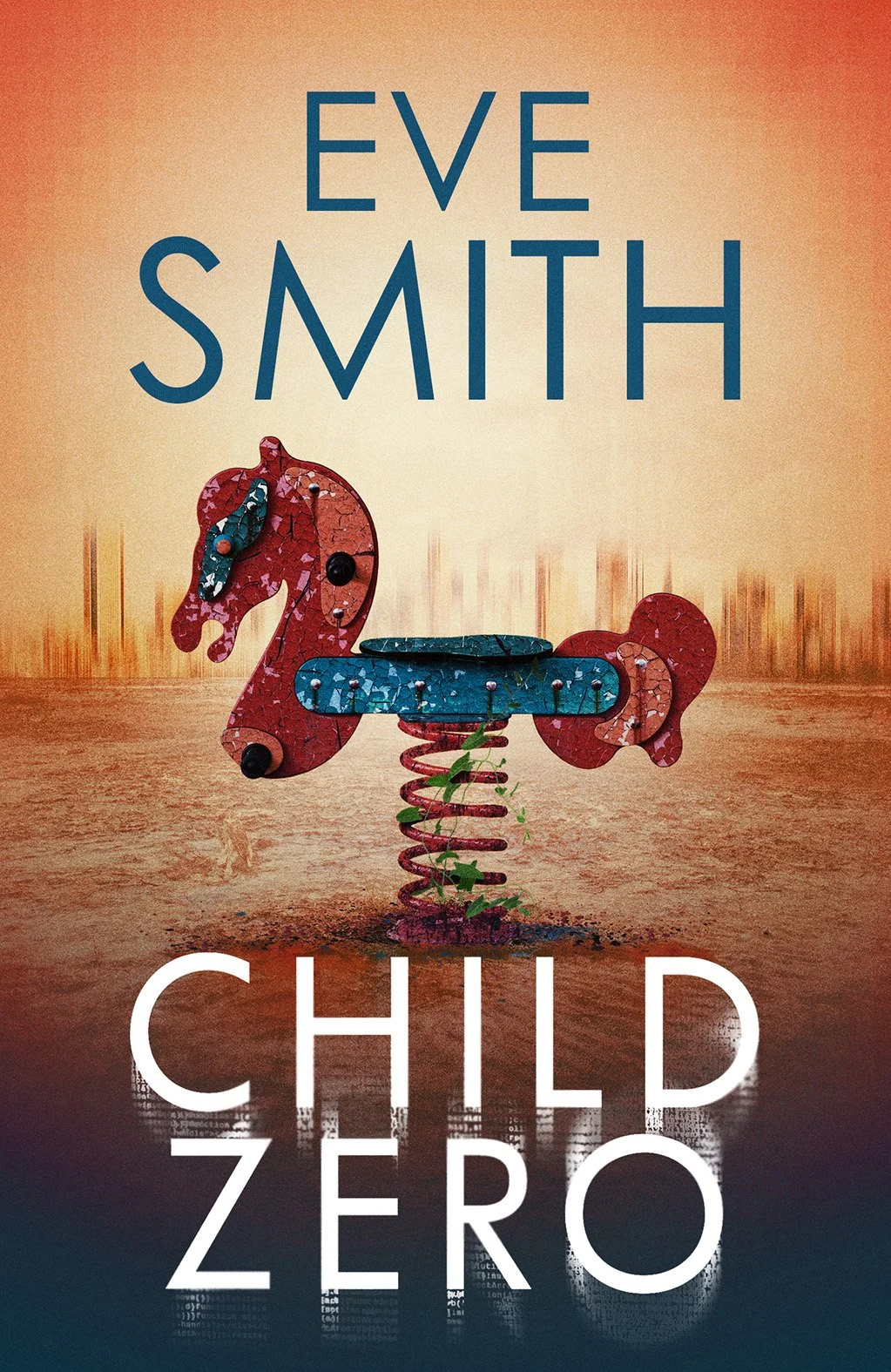
In March next year, my fifth speculative thriller, Child Zero, will be published. In a Britain where the birth rate has collapsed, two women on opposite sides of the motherhood debate uncover a chilling medical deception at the heart of the government’s fight to rebuild the population, opening the floodgates to complex ethical and societal issues.
I drew inspiration for this book from the widespread coverage of the current global fertility crisis. As countries around the world fret about plummeting fertility rates, I wondered why so many young people are choosing not to have children. And how far governments might be prepared to go to change their minds.
Headlines have been warning us about declining fertility rates for years. In 2025, the total fertility rate in England and Wales dipped to 1.39, the lowest in almost fifty years, and well below the replacement level of 2.1 (the average number of births per woman required to keep population numbers stable). We’re not alone.
Over two thirds of countries now have a fertility rate below the replacement level, an issue that governments are attempting to address through a range of policies.
Some are offering financial incentives such as tax breaks, discounted child care and baby bonuses. Others are applying more of a stick approach, taking long-fought-for reproductive freedoms away.
There are many reasons for the so-called baby-bust. Not only are people deciding to have fewer children and to have them later in life, an increasing number have made the decision to be permanently child-free.

In a 2024 YouGov poll, 28% of British 18-40-year-olds who didn’t already have children said they definitely didn’t want them. The number one reason was cost: children were too expensive. The number two reason was concern about the current state of the world. Frankly, if I was a young woman considering my options right now, I’m not sure how I’d feel about embarking on a family either given the daily reports of climate chaos, conflict and imminent destruction from AI. Pets seem to be a safer bet: the UK now has four times as many dogs as kids under five. So what exactly is going on?
Finances are a key obstacle: rising housing and living costs, job insecurity and stagnant wages, along with global instability fuelled by political and economic uncertainty and environmental concerns. Some people question whether it’s morally right to bring a child into this troubled and divided world, arguing that the planet and Earth’s other species would welcome a quiet, steady decline in human numbers.
Then there’s the challenge of finding someone to settle down with. We keep hearing about the relationship recession and dating fatigue, and the stats bear out a significant rise in singledom. If you haven’t met the right person, or you can’t afford to live together, then how can you start a family? Almost a third of UK 20-34-year-olds still live with their parents.
Add to that the pressures of modern parenting: the myth you need to be perfect parents with a perfect child no matter how much you’re juggling, amplified by social media churning out impossible role models and you have the perfect storm. Bearing a child has become, as one journalist put it, “a radical act of hope”.

Declining fertility worries governments, particularly chancellors. If the proportion of working-age people keeps going south, who’s going to boost the economy and deliver much-needed cash to pay for pensions, healthcare and everything else? The graph below shows how soon deaths are predicted to outnumber births in the UK.
One answer might be a change in immigration policy. Spain are welcoming migrants to boost their workforce and their birth rate, but in the current political climate that doesn’t seem likely elsewhere. So if fertility rates continue to fall, how are governments planning to reverse the trend?
Many of the policies featured in Child Zero are being implemented in countries right now. Motherhood medals, baby bonuses, tax incentives. State-sponsored dating initiatives and childcare. There are other, more sinister tactics. Restricting access to contraception and abortion, using financial or legislative penalties.
State-sanctioned kidnapping of another country’s children, as has been the case with Russian abductions of children in Ukraine.
How does the saying go? We learn from history that we do not learn from history.
Blunt interventions by the state in people’s reproductive choices don’t tend to work out well. China scrapped its One Child policy eleven years ago, but still has one of the lowest total fertility rates in the world at just 1.0. Young citizens appear immune to the government’s multiple baby incentives. Teetering under the strain of a rapidly declining workforce, China is struggling to support its ageing population. So now the government has introduced a tax on contraceptives. If the carrot doesn’t work, try the stick.
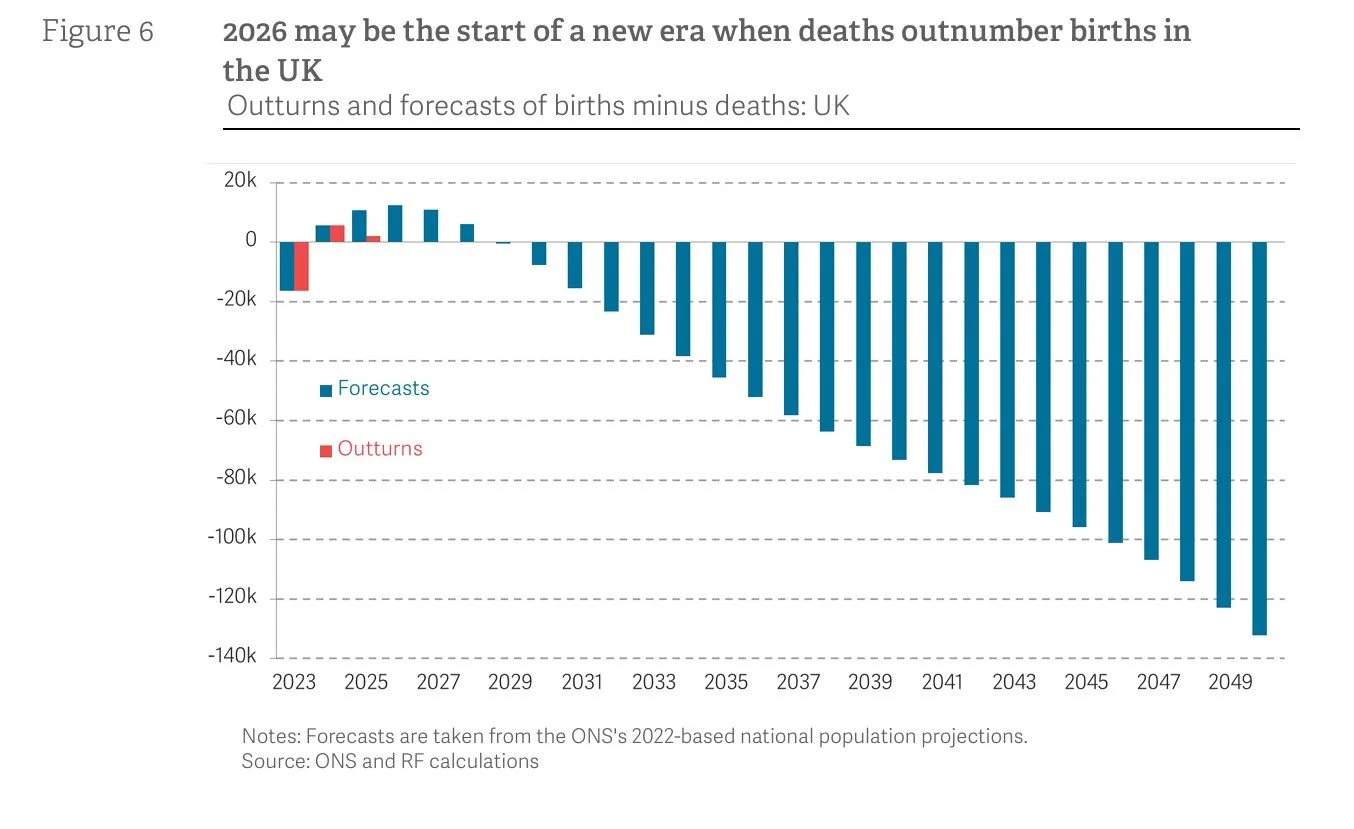
This graph shows why the UK government is worried: how will it fund the costs of an ageing population if working-age population numbers plummet?
But let’s not be complacent. A UK Reform Party candidate proposed imposing a negative child benefit tax on UK couples who don’t have offspring. Several US states have proposed bills that would reclassify abortion as homicide, some of which enforce the death penalty. Let us hope these bills never get beyond the proposal stage.
The reality is, it’s a tough time to be a child or a parent. Whether we believe in encouraging people to have a family for economic reasons, or to benefit from the younger generation’s energy, optimism and creativity, is it really a government’s place to mandate who should or should not have babies?
Thank you for reading. You can find out more about Child Zero and the facts and dilemmas that inspired it here.
The book is available for preorder now and will be available in print, e-book and audio formats.