WHY DON’T YOUNG PEOPLE WANT KIDS?

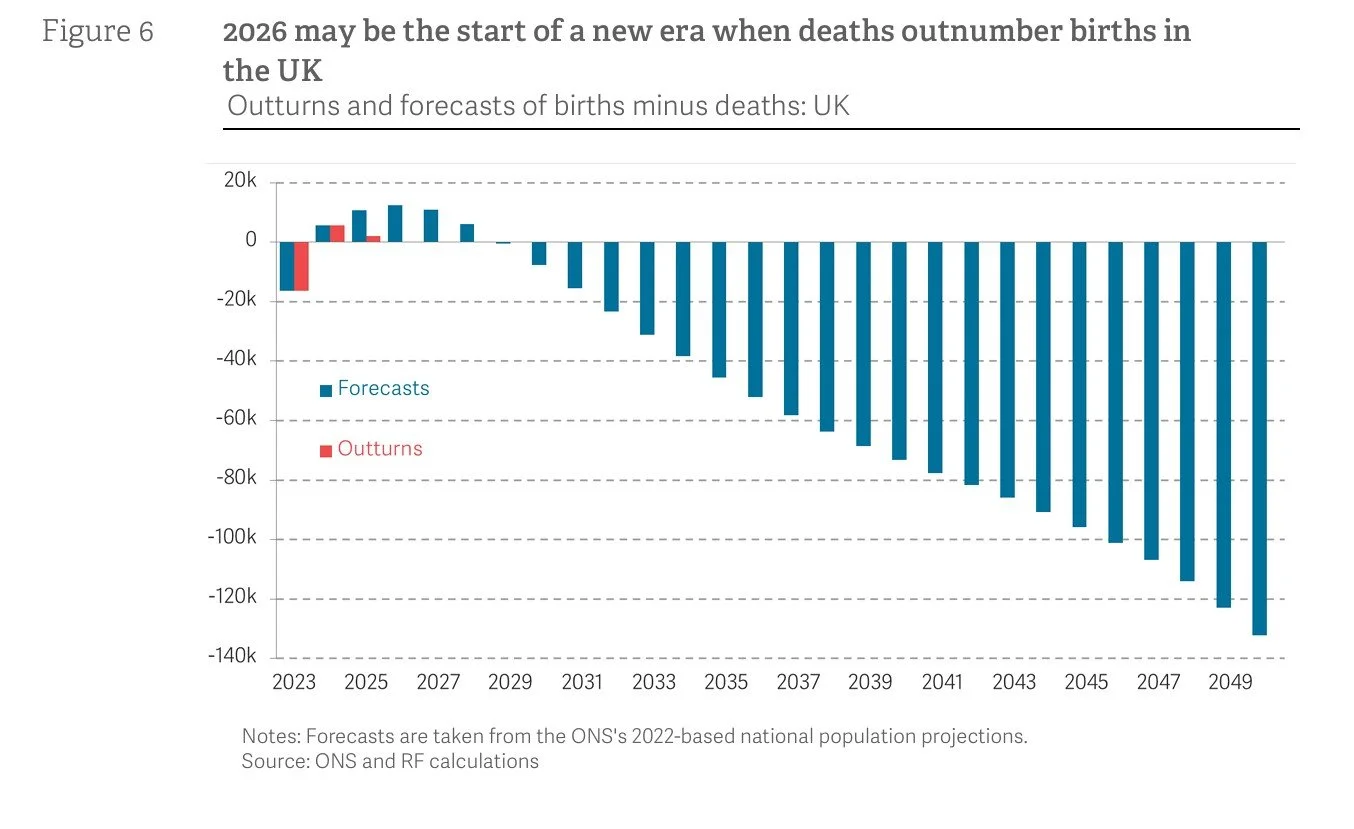
The UK’s fertility rate has dropped faster than any other G7 nation’s, falling by 25% since 2010.
What’s putting young people off starting a family?
They can’t afford it
According to a number of different research studies, the main reason young people don’t want kids is the cost. There’s a ‘fertility gap’: a difference between what young people ideally would have and what they believe is realistic for them now.
A briefing by the Resolution Foundation called Bye Bye Baby surveyed a snapshot of 32-year-olds. Roughly three-in-ten women and a quarter of men blamed finances for not having children. An Ipsos poll of 18 to 50-year-olds for The Independent backs this up.
44 per cent of adults plan to delay having children, or are deciding against it altogether, with the cost of raising children, concerns about the general cost of living and the expense of childcare cited as key reasons.
Housing is another key pressure: the escalating costs of renting or buying, compounded by stagnation of salaries and instability at work.
According to an article by Victoria Peckham in The Times, almost a third of UK 20-34-year-olds still live with their parents. And of those who don’t, many have to give up to half their take-home pay to landlords, in addition to paying off their student loans.
“I’ve heard from lots of people that the choices that they wanted to make have been constrained, in terms of when to start a family and how many children they have, by factors like the cost of childcare, housing costs, instability at work.”

Photo Credit: xx on Unsplash
They’re worried about the state of the world
In the Ipsos poll of 18-50-year-olds, while a third of respondents said they weren’t having children because they simply didn’t want to, others said they were put off by fears about climate change, with worries about how global warming will affect their child’s future, and how having children may harm the environment.
A survey of 16-18 year old school students for Fertility Journal also found that the state of the current world was a big concern, listing overpopulation, climate change issues and an unstable political and economic environment as major barriers to the thought of having children.
They can’t get a job
Job uncertainty is also fuelling their fears. One in ten 18-24-year-olds neither work nor study: (not in employment, education or training: NEET) and that figure is higher for 16-24-year-olds: over one in eight, with more than a million young people now in this category as of May 2026.
Future projections expect this number to increase to one in six over the next five years unless action is taken. This is not about being lazy or disinterested: 84% of NEETS surveyed said they wanted to be in work or training. Some are sending off hundreds of job applications every month only to hear nothing back.
Youth unemployment is on the rise with 16.2% of 16 to 24-year-olds out of work, the highest since 2014, and more than three times the broader unemployment rate of 5% thanks to a reduction in entry-level jobs which employers blame on increased employment costs. AI has also been cited as another reason for the reduction in entry-level jobs.
The Financial Times reported that roles advertised for recent graduates were 33% lower than a year earlier and 12% below 2023 levels. With such a volatile job market, and wider financial challenges, how are young people expected to be able to plan for a family?
"There is a whole system failure here. The old contract in society was always you put in effort and got a reward, each generation would do better than the last - this contract has been broken for this generation."
Alan Milburn, author of 2026 NEET Report
“With climate change and overpopulation I do not know if having kids will be fair on them, especially if nothing changes.”

Photo credit: Vitaly Karylev on Unsplash
They can’t find a partner
The Resolution Foundation briefing found that many of the young people it surveyed wanted (at a minimum) two conditions to be met before starting a family: being in a committed relationship and living in stable home.
When a group of 32-year-olds were asked to state their reasons for not (yet) having children, around a third of both women and men said they didn’t have a suitable partner.
Some researchers are blaming technology: our obsession with our phones has seriously impacted human to human socialising. In one report, the evidence across a number of countries suggests the sharp drop in fertility rates correlates with the same period smartphones became widely adopted, and this is supported by surveys of happiness levels amongst young people where social media is explictly cited as causing anxiety and dissatisfaction.
According to the FT writer John Burn-Murdoch:
“Falling birth rates appear to be part of a broader
phenomenon of young adult singledom, isolation and deteriorating wellbeing.
Given the likely link to technology and social media, the best hope of reversing the trend may be to change our digital habits — whether through cultural shifts or government regulation.”
“It is quite plausible that the modern digital media environment has had profound effects on society that have led to a decline in romantic coupling.”