THE IDEA BEHIND CHILD ZERO

Readers often ask me where I get inspiration for my novels. Given the bewildering times we’re living through, there’s no shortage of dystopian material.
As governments around the world increasingly fret about plummeting fertility rates, I began to wonder why so many young people are making the decision not to have children. And how far governments might go to change their minds.
Headlines have been warning us about declining fertility rates for years. The UK fertility rate has dipped to 1.41, the lowest since records began, and well below the replacement rate of 2.1: the average number of births per woman required to keep population numbers stable. We’re not alone.
Over two thirds of countries now have a fertility rate below the replacement level, an issue that governments are attempting to address through a range of top-down policies.
Some are offering financial incentives such as tax breaks and baby bonuses.
Others are using propaganda around reinstating conservative family values to take long-fought-for reproductive freedoms away.
I’d assumed the reason for this so-called baby-bust was because people were choosing to have fewer children and having them later in life (being childless at 30 in the UK is the new norm).
That’s certainly true for some, but many couples have made the decision to be permanently ‘child-free’.
In a 2024 YouGov poll, 28% of British 18-40-year-olds who didn’t already have children said they definitely didn’t want them.
The number one reason was cost: children were “too expensive”.
The number two reason was concern about “the current state of the world”.
It’s easy to see why. Frankly, if I was a young woman considering my options right now, I’m not sure how I’d feel about embarking on a family.
I read that the UK now has four times as many dogs as kids under five: pets seem to be a safer bet. So what exactly has changed?

Key drivers of the reluctance to have children are rising housing and living costs, job insecurity and stagnant wages, along with global instability fuelled by political and economic uncertainty and climate and environmental concerns.
Then there’s the challenge of finding someone to settle down with. If you haven’t met the right person, or you can’t afford to live together, then how can you start a family? Almost a third of UK 20-34-year-olds still live with their parents.
Declining fertility worries governments, particularly chancellors. If the proportion of working-age people keeps going south, who’s going to boost the economy and deliver the cash to pay for pensions and the NHS?
One answer might be a change in immigration policy, following Spain’s example who are welcoming migrants to boost their workforce and their birth rate, but that doesn’t seem very popular elsewhere.
All of which made me wonder, if fertility rates continue to plummet, how far might governments go to reverse the trend?
Most of the pronatalist policies featured in Child Zero to raise the fertility rate are being implemented in countries right now. Motherhood medals, baby bonuses, tax incentives. State-sponsored dating initiatives.
And other, more sinister tactics. Restricting access to contraception and abortion, through financial or legislative penalties.
State-sanctioned kidnapping of another country’s children.
There are some policies I didn’t include, like writing to every 29-year-old reminding them the clock is ticking and they’d better crack on (yes, really: that’s just across the Channel). Or paying Russian schoolgirls to have babies. Or reclassifying abortion as homicide: bills are currently under discussion in several US states.

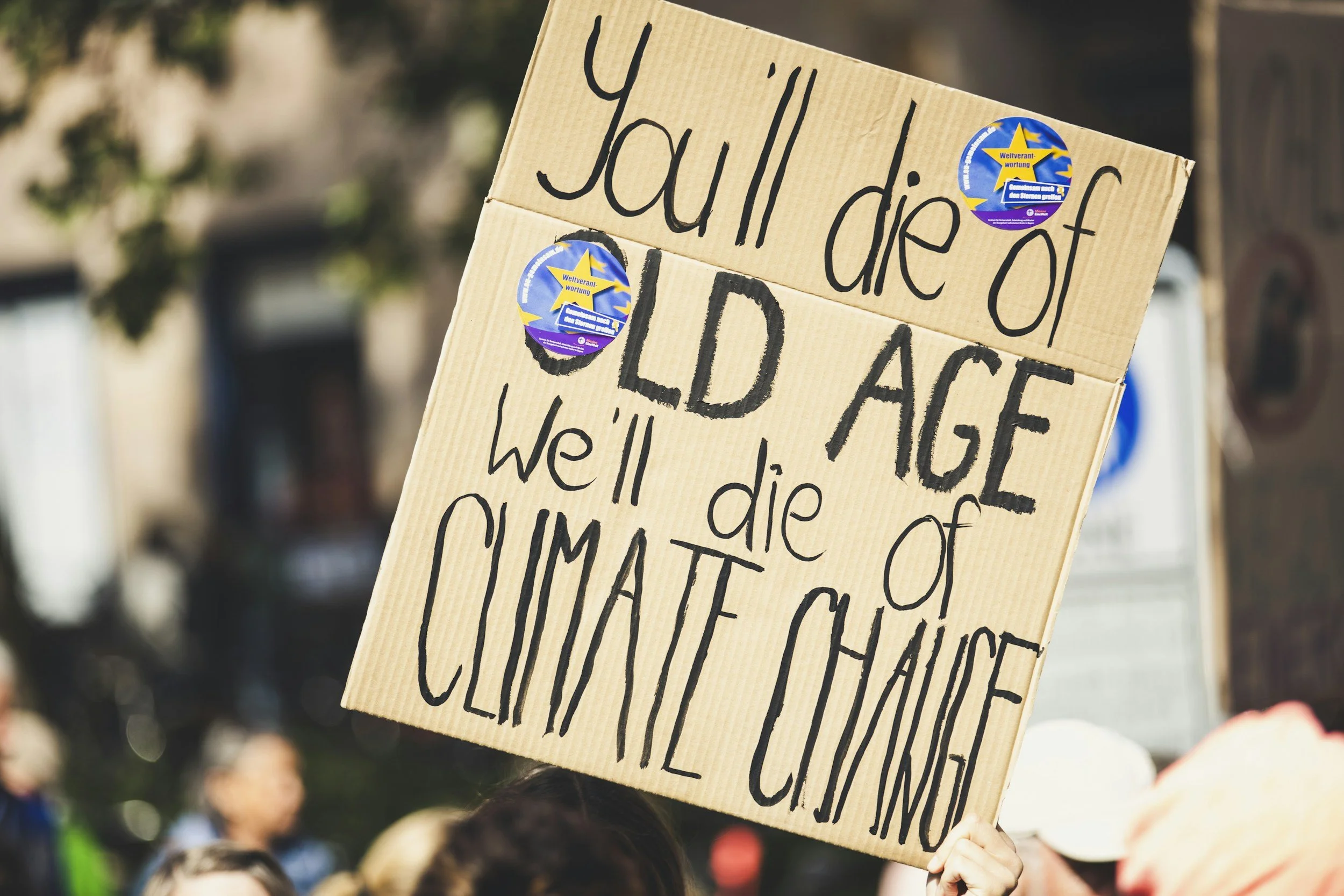
Photo credit: Markus Spiske on Unsplash
How does the saying go? We learn from history that we do not learn from history.
It is unclear what impact these policies are having, if any.
Blunt interventions by the state in people’s reproductive choices don’t tend to work out well. China scrapped its One Child policy ten years ago, but still has one of the lowest fertility rates in the world at just 1.0. Teetering under the strain of a rapidly declining workforce, China is struggling to support its ageing population. Young citizens appear immune to the government’s baby incentives. So now they’ve introduced a tax on contraceptives.
But let’s not be complacent. A Reform Party candidate proposed imposing a negative child benefit tax on UK couples who don’t have offspring.
If the carrot doesn’t work, try the stick.
The reality is, it’s a tough time to be a child or a parent. Some believe that, aside from economic reasons, we need young people more than ever for their energy, optimism and creativity. Others question whether it’s morally right to bring a child into this troubled and divided world, arguing that the planet and Earth’s other species would welcome a quiet, steady decline in human numbers.
Either way, is it really a government’s place to intervene in decisions about who should or should not have kids?
Or, as in Child Zero, open the floodgates on interventions that go significantly further?
You can read more about these dilemmas and other themes in the book next.
“The state of the world is in a shambles. Governments are corrupt. The environment is deteriorating … it would be cruel to put a child through any of our problems, especially since they are not getting better.”
— Biswakarma, R., Maslowski, K., Reiss, M. J., & Harper, J. C. (2024) Parenthood intentions of 16–18-year-olds in England: a survey of school students