SHOULD HUMANS GO EXTINCT?
“The hopeful alternative to the extinction of millions of species of plants and animals is the voluntary extinction of one species: Homo sapiens... us.
Each time another one of us decides to not add another one of us to the burgeoning billions already squatting on this ravaged planet, another ray of hope shines through the gloom.”
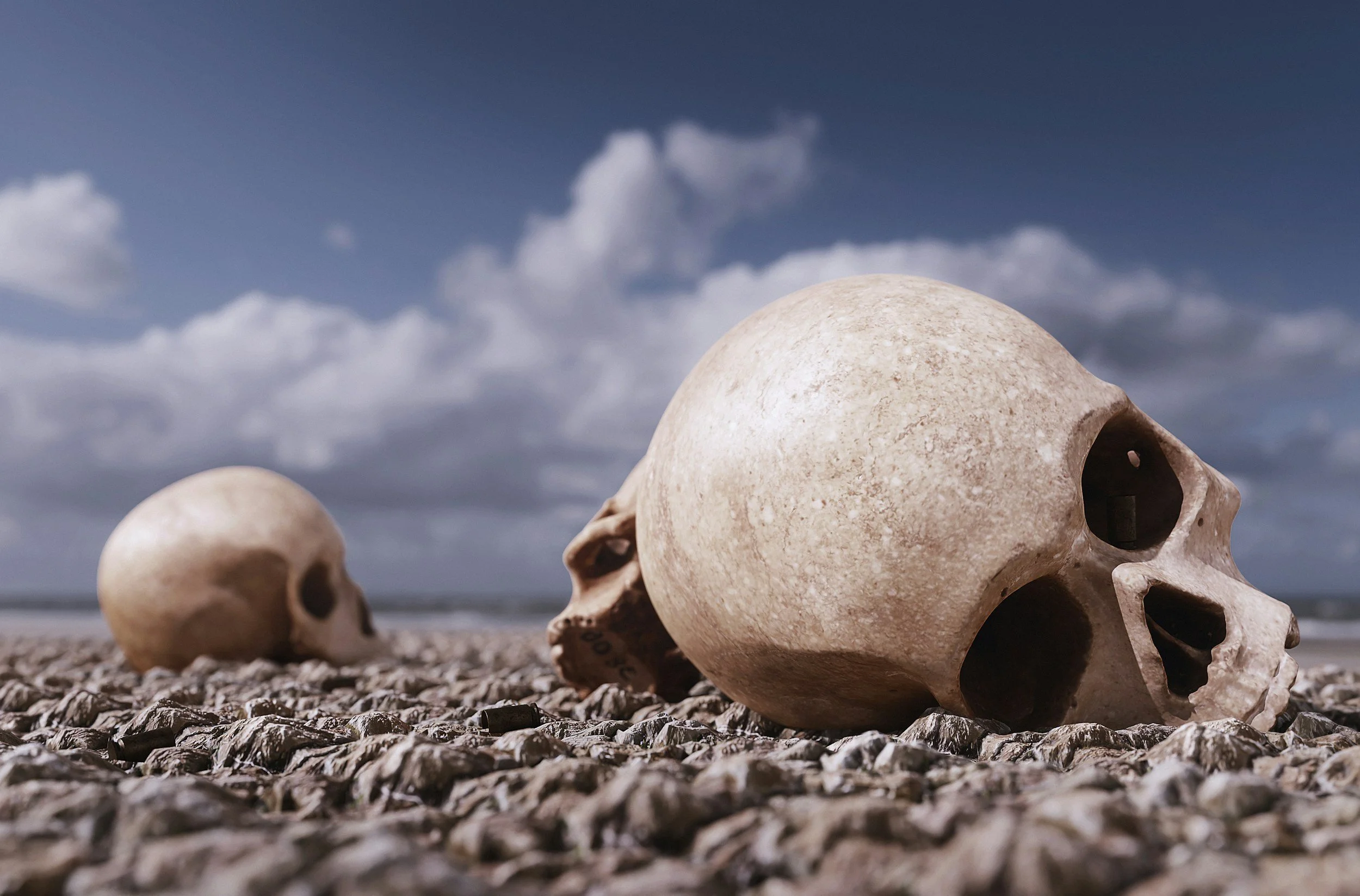
Photo credit Mohamed Nohassi, Unsplash
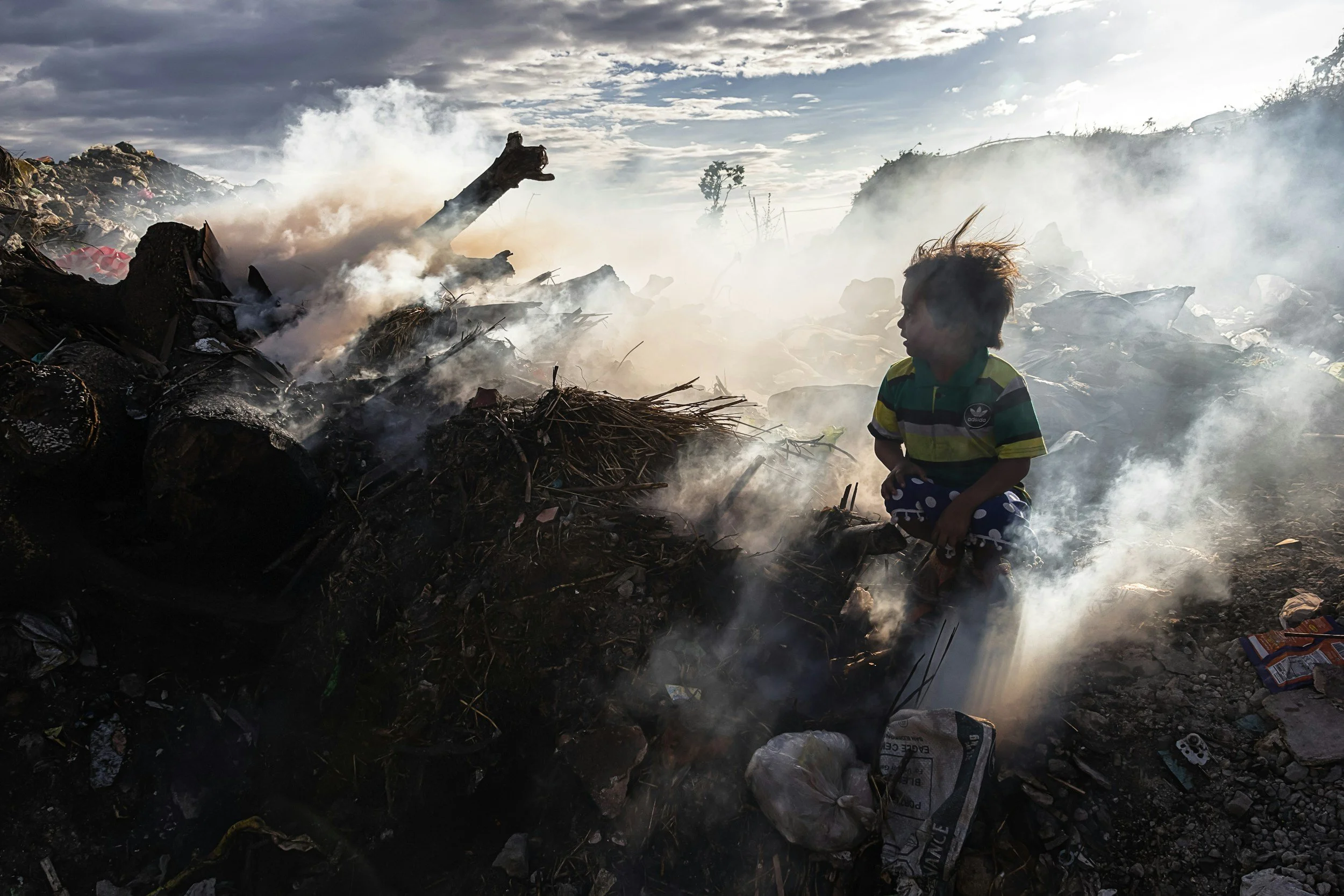
Photo credit: Rene Bernal, Unsplash
The reasons for
“May we live long and die out”
This is the creed of the real Voluntary Human Extinction Movement (VHEMT). I feature a fictional human extinction organisation in my book, (VEMT) which is based on this one. The premise of VHEMT is the antinatalist belief that we should voluntarily stop having children and go extinct to reduce the suffering of people and to give the biosphere a chance to recover from destructive human impacts.
VHEMT is a peaceful movement that shies away from confrontation and violent acts. The whole point is that it is voluntary.
Their arguments are compelling: the world is not a happy place. We are facing the greatest number of conflicts since the Second World War, and as climate impacts hit harder, this will only increase, as new wars break out over natural resources like freshwater. Nuclear war remains a very real threat with countries expanding existing arsenals and seeking to develop new ones. 800 million people are already estimated to be living in extreme poverty and millions more are being displaced through climate impacts and wars. Many of those are children.
The suffering of children
“It is curious that while good people go to great lengths to spare their children from suffering, few of them seem to notice that the one (and only) guaranteed way to prevent all the suffering of their children is not to bring those children into existence in the first place.”
David Benatar, from his book ‘Better Never To Have Been, the Harm of Coming into Existence.’
More than one in six children across the world live in areas affected by conflict, exposed to injury, torture, hunger, violence and exploitation.
Every year, six million children under 15 die from preventable diseases, malnutrition and birth complications. Millions more suffer from illness, mental health issues and abuse.
The UK government estimates that 40% of human trafficking victims are children, forced to work as modern slaves in cities and rural areas, with many being sexually exploited.
The World Happiness Report 2025, which surveys people from 146 countries about their wellbeing and happiness has an average ranking of 5.57 out of 10. Happiness is not equal. The rates vary hugely, and can be correlated with economic prosperity with Western nations at the top and developing nations and those countries struggling with climate impacts, poverty and war at the bottom.
47 countries had scores under 5 with Afghanistan the lowest at 1.1 .
“Children do not start wars but they pay the highest price for them. They’re more likely than adults to be killed or maimed by explosive weapons. They lose the protection and care of family members and friends. They’re abducted from their homes, recruited by armed groups and sexually violated.” UNICEF
Our abuse of the planet
The Earth is 4.5 billion years old, and modern humans have been around for a fraction of that: just 200,000 years. And yet we are now in the Anthropocene, an age characterised by man’s impact on the planet.
Since the mid-20th century, exponential population growth and resource extraction has driven severe climate shocks and biodiversity loss, outstripping the Earth’s capacity to replenish itself in what has become known as ‘The Great Acceleration”.
We are the only species that has changed the Earth’s systems and been aware of doing so. Humans will have a lasting - and potentially irreversible - influence on our planet, due to pollution, habitat destruction, over-exploitation of natural resources and climate change. Humans have already transformed over 70% of land surfaces and are using three quarters of freshwater resources, precipitating the sixth mass extinction.
Which is why VHEMT argue that it would be better for all concerned if we slipped quietly away and allowed the biosphere and Earth’s other species the space and time to recover.
“The current rate of extinction is between 100 and 1,000 times higher than the pre-human background rate of extinction, which is jaw-dropping. We’re definitely going through a sixth mass extinction.”
Dr Katie Collins, The Natural History Museum
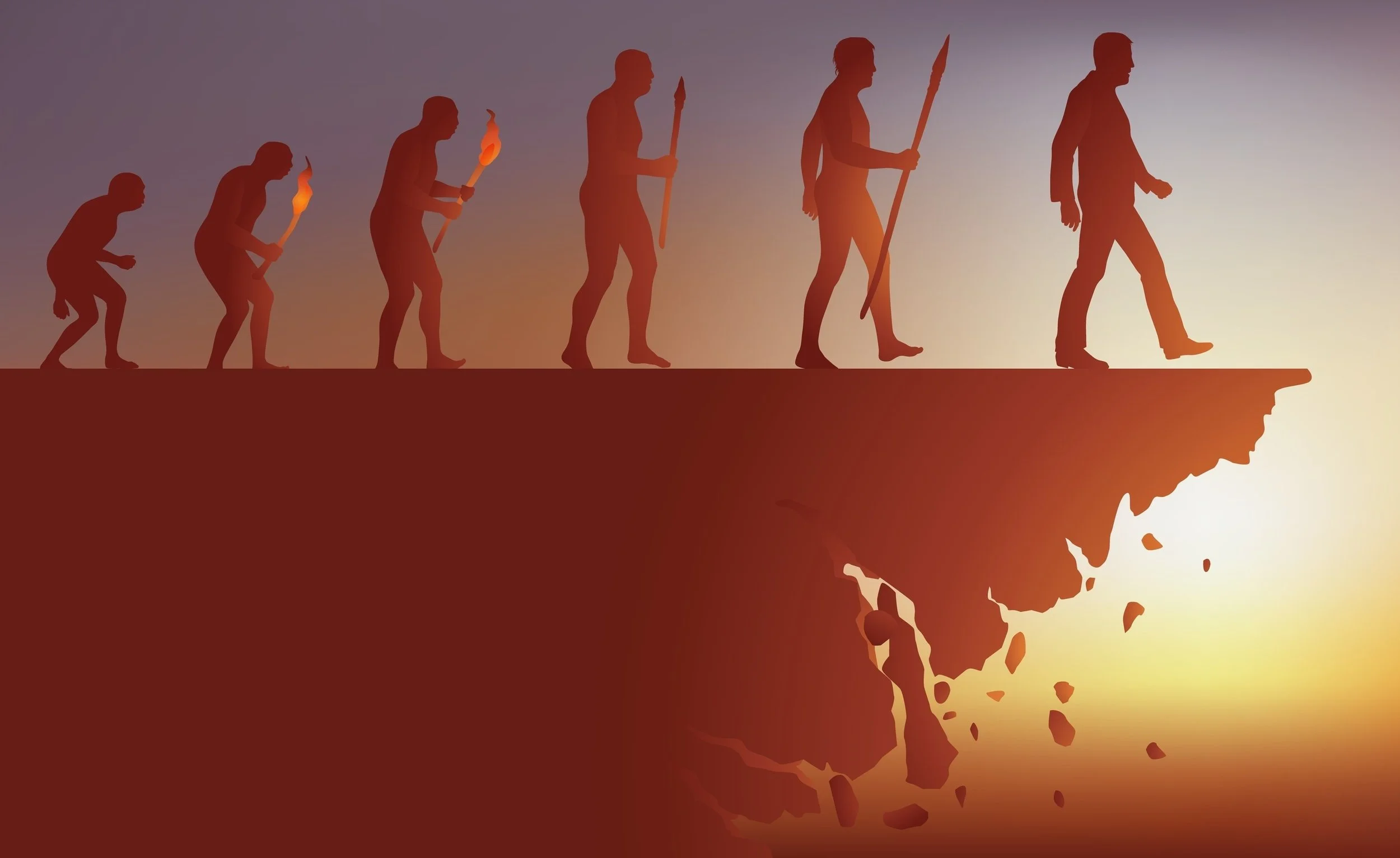
Photo credit: Shutterstock
The argument against
“The work of the individual still remains the spark that moves mankind forward”
This is a quote by famous aviation pioneer Igor Sikorsky who invented the first multi-engine airplane and the first viable helicopter.
Humans are the smartest, most innovative and self-aware species on the planet (admittedly by by our own estimations) with a huge capacity to do good.
During our brief time on Earth we have worked out how to communicate with each other across the world instantaneously using multiple languages and formats; we have eradicated painful, fatal diseases in animals and humans; we have commandeered natural resources for the production of energy and agriculture; we have documented millions of species and travelled beneath the oceans, to the summits of the highest mountains, through the sky and into space.
Humans have the potential to help the Earth, our fellow citizens and other species by using our ingenious inventions and discoveries to make things better, and find solutions to problems. Our science and technology expertise can address issues like climate change and natural resource over-exploitation; it can conserve and protect habitats and biodiversity.
If we choose to do so.
There are many examples of initiatives and programmes that have restored damaged habitats and supported the reintroduction and growth of endangered species. We know how to fix this, there just has to be the will and collective impetus to act.
We also have the knowledge to anticipate and address non-human cosmic threats, such as asteroid impacts, or natural changes in climate that could wipe out part or all of our planet. By not having children, we risk never giving life to a person who could invent life-saving technologies.
Humans have benefited our planet and each other through the development of great music, literature and art. If no humans existed, no one would be left to appreciate the wonders and beauty of our planet or to compose art to record and celebrate it.
We have mapped the history of our planet, figured out how it works, recorded this knowledge for posterity. If man died out, who would be left to record future changes and address new challenges in our world?
All our cumulative acquired knowledge might be lost.
Then there is biology to consider. It is a biological imperative for every species to procreate and pass on its genetic legacy. Choosing not to have offspring runs counter to everything we have been genetically programmed to do. It is a tough sacrifice to voluntarily wipe out your family line, even if you see the moral justification for doing so. Turning your back on family denies what many people see as one of the most important and rewarding features of their lives.
In a Pew Research study on parenting in America, the vast majority of mothers and fathers (88% and 85%, respectively) said being a parent was the most important or one of the most important aspects of who they were as a person. Over a third of mothers (35%) and a quarter of dads (24%) said it was the most important aspect.
Not all children and people suffer or are unhappy. According to the Ipsos Global Happiness Index which surveys people from 30 countries, the vast majority (71%) say they are happy, and that family and feeling loved are the top two reasons for this happiness. However, it should be noted that this index has a much narrower participation than the World Happiness Report mentioned earlier.
Many religions consider it a divine duty to procreate.
Who are we to deny a future person their chance at happiness?
“With great affection I urge all future mothers: Keep happy and let nothing rob you of the interior joy of motherhood. Your child deserves your happiness. Don’t let fears, worries, other people’s comments or problems lessen your joy at being God’s means of bringing a new life to the world.”
Pope Francis

Photo credit: Tetbirt Salim, Unsplash
Equal justice for all
“The time left to act is extremely limited.
The challenge now lies in the speed and scale of transformation.”
There is still time to address the problems humans have caused and avoid unnecessary suffering if we act now. According to a report published in Lancet Planetary Health by the Earth Commission which was co-authored by over 60 scientists, we have a narrowing window of opportunity to rescue humans from poverty and climate change impacts and prevent catastrophic Earth system changes, but this requires comprehensive, unilateral and swift action.
If we do not change our behaviours, we will sail past irreversible tipping points with devastating impacts on the planet and human well being.
“The only way to provide for everyone and ensure societies, businesses and economies thrive without destabilising the planet is to reduce inequalities in how critical Earth system resources are accessed and used – alongside economic and technological transformation.”
Earth Commission report: A just world on a safe planet
The human population is still increasing, projected to peak at 10.3 billion by 2084. The majority of this growth will occur in sub-Saharan Africa and parts of Asia as Western nations’ populations continue to decline.
Our global population is ageing: by 2080, individuals aged 65 and older are expected to outnumber children under 18, which will bring its own set of challenges.
Inequalities and overconsumption of finite resources by a minority are key drivers of current planetary woes, and those communities and ecosystems most affected and at risk are already vulnerable. One in four people don’t have access to safe drinking water at home and 100 million still drink direct from streams and ponds. 3.4 billion lack safe sewage systems.
It is the world’s poorest who suffer most, but everyone is at risk.
We need to ensure our planet remains healthy, and that younger generations have an equal chance of happiness everywhere, not just in the West. This requires a fundamental reset of behaviour and mindset.
The Earth Commission model, ‘A Safe and Just Space’ details what needs to happen to ensure the stability of our planet and minimise harm to people and nature whilst ensuring everyone can be provided for.
It is based on three forms of justice:
Interspecies justice: between humans and other species
Intergenerational justice: between past, present and future generations Intragenerational justice: between individuals, communities and nations worldwide to meet minimum needs and reduce suffering.
Key strategies to achieve this are economic and political changes to address inequality and reduce pressure on the planet; better management, sharing and use of resources, and investment in sustainable and affordable technologies. Urgent transformations are required in particular to food, energy and urban systems.
We know that the health and success of people, societies and businesses are inseparable from the health and stability of the planet. We are aware of the harms we do, and we have the capacity to fix the issues we have caused if we can only persuade those in government, the heads of corporations and the voting public to act as responsible stewards of our planet, considering the needs of current and future generations of humans as well as their own.
Can we galvanise governments, corporations and individuals to make that choice? Or will our obsession with short-term gains and ever-increasing consumption propel us and the rest of humanity towards the cliff edge?
“We’re beginning to realise the damage that inequality is doing to the Earth. Increasing pollution and poor management of natural resources is causing significant harm to people and nature.
The longer we continue to widen the gap between those who have too much and those who don’t have enough, the more extreme the consequences for all, as the support systems which underpin our way of life, our markets and our economies begin to collapse.”
Prof. Joyeeta Gupta, Former Co-Chair of the Earth Commission, Professor of Environment and Development in the Global South at the University of Amsterdam